Polarized sunglasses: how they work, and why they make all the difference
Have you ever finished a ride with your eyes burning, not because of the sun, but because of glare (a wet path or road, light-colored pavement, reflections of all kinds...)? Or have you ever reflexively braked on the highway because a flash of light from an oncoming windshield momentarily blinded you for a split second?
You’re not alone. It’s a matter of physics, and polarized sunglasses are the answer.
The issue: reflected light
How do polarized lenses work?

Reflections on the water, anti-glare polarized lenses
Polarized lenses incorporate a microscopic filter oriented vertically, like invisible slats aligned with precision. This filter blocks glare—that is, horizontally polarized light—while allowing “useful” light to pass through, enabling you to see clearly.
As a result, glare disappears, contrasts are enhanced, colors regain their depth, and your eyes no longer have to struggle against stray light. Less eye strain, less eye fatigue, and greater visual clarity—all with lasting results.
Key takeaway: While tinted lenses reduce light, polarized lenses select light. They are not the same tool, nor do they offer the same comfort or precision.
For which sports do polarized sunglasses make a difference?
Bicycles and Mountain Bikes
On the road, glare from wet pavement or under canopies of vegetation creates harsh contrasts that make it difficult to see the terrain clearly. When mountain biking downhill, this visual strain can become a safety hazard. Polarized lenses handle even the most abrupt changes in light with a smoothness that fixed-tint lenses simply cannot match.
Trail Running and Road Running
Trail running exposes you to extremely rapid changes in light: from dark woods to an exposed ridge lined with white rocks... In these conditions, glare, puddles, and limestone trails can be visually exhausting. Cat. 3 polarized lenses allow you to read the terrain accurately, without having to squint at every change in light.
Boating and Fishing
Historically, this is the environment for which polarized lenses were invented. Reflections on the water are the most intense form of polarized light one can encounter. Without a polarizing filter, a sailor or angler is subjected to continuous eye strain over long periods. With polarized lenses, the water’s surface becomes clear, shallow underwater features become visible, and the risks to eyesight are reduced or even eliminated.
Skiing and Mountaineering
At high altitudes, snow reflects a considerable amount of light. Polarized lenses not only eliminate blinding glare but also make it easier to distinguish variations in terrain—ice patches, breaks in the slope—which, with standard lenses, blend into the uniform whiteness.
And in everyday life? Polarization isn't limited to athletes
Why wear polarized sunglasses while driving?
Driving is probably the most underrated use case. Glare from the hood, windshields, wet pavement after rain, and the windows of other vehicles are all sources of eye strain on a multi-hour drive. Cat. 3 polarized lenses significantly reduce this glare and make it easier to read road markings.
A quick heads-up: some polarized lenses can interfere with head-up displays (HUDs) or in-dash LCD screens. If your vehicle has these features, test your pair before a long drive.
At the beach and in the city
In urban areas, glass facades, wet sidewalks, and zinc roofs create constant micro-glare. By the water, polarized lenses literally transform the visual experience: you regain the colors and depth that reflections usually obscure.
What polarized lenses don't do (let's be honest)
Polarized lenses are not one-size-fits-all:
- LCD screens: Some smartphones or GPS devices may be difficult to read at certain angles. This is a minor detail in most cases, but it’s worth keeping in mind.
- Low light: On very overcast days or in dense forests, Cat. 3 polarized lenses may reduce overall brightness too much. In these conditions, photochromic lenses will be more versatile.
- Airline pilots: cockpit instruments use LCD displays that are incompatible with polarization. Polarized lenses are generally not recommended in the cockpit.
Cébé's OUTFLOW Polarized Sunglasses: One Collection, Four Sizes
At Cébé, we’ve chosen to focus our polarized sunglasses lineup on a single collection, designed to fit every face shape and suit every use: the OUTFLOW collection.
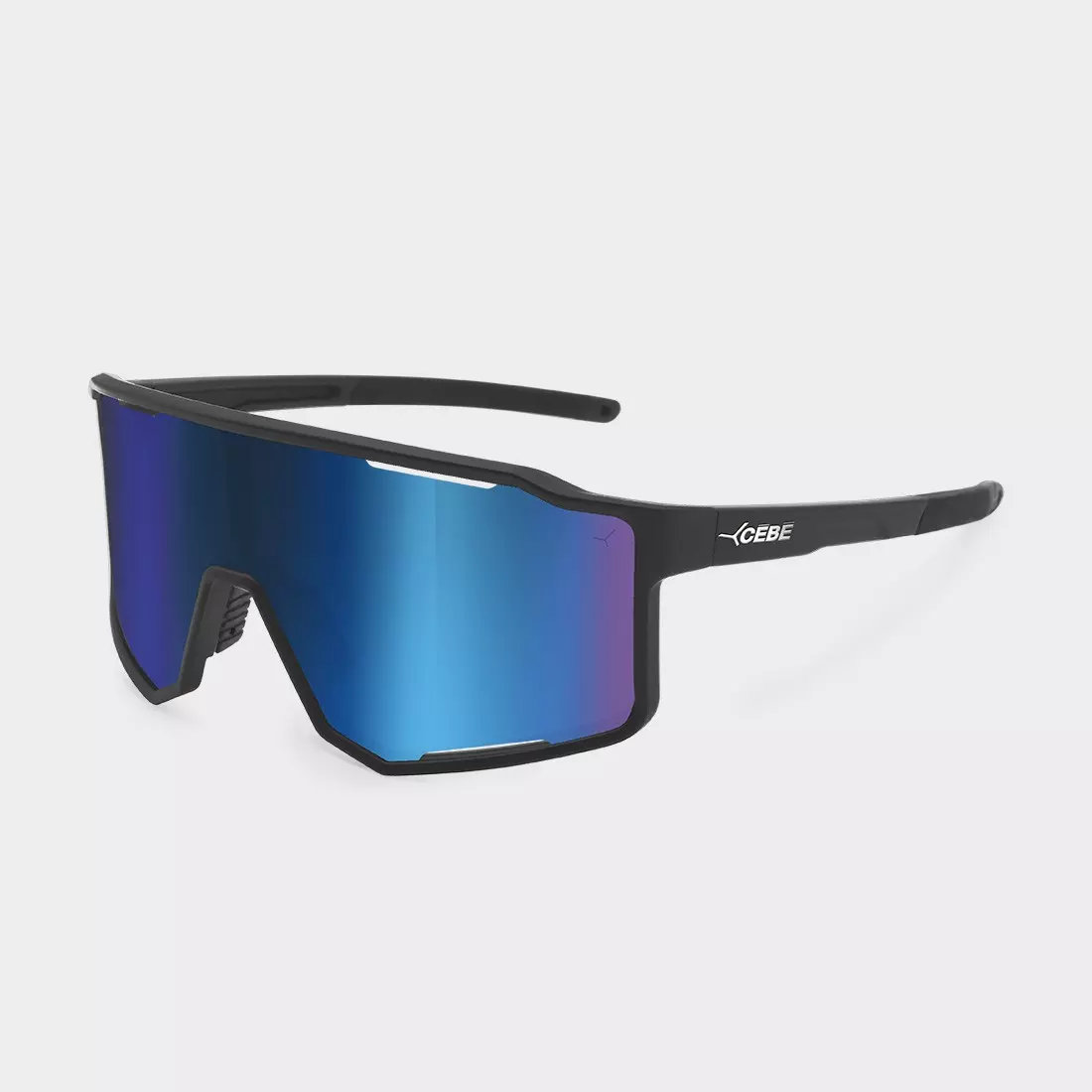
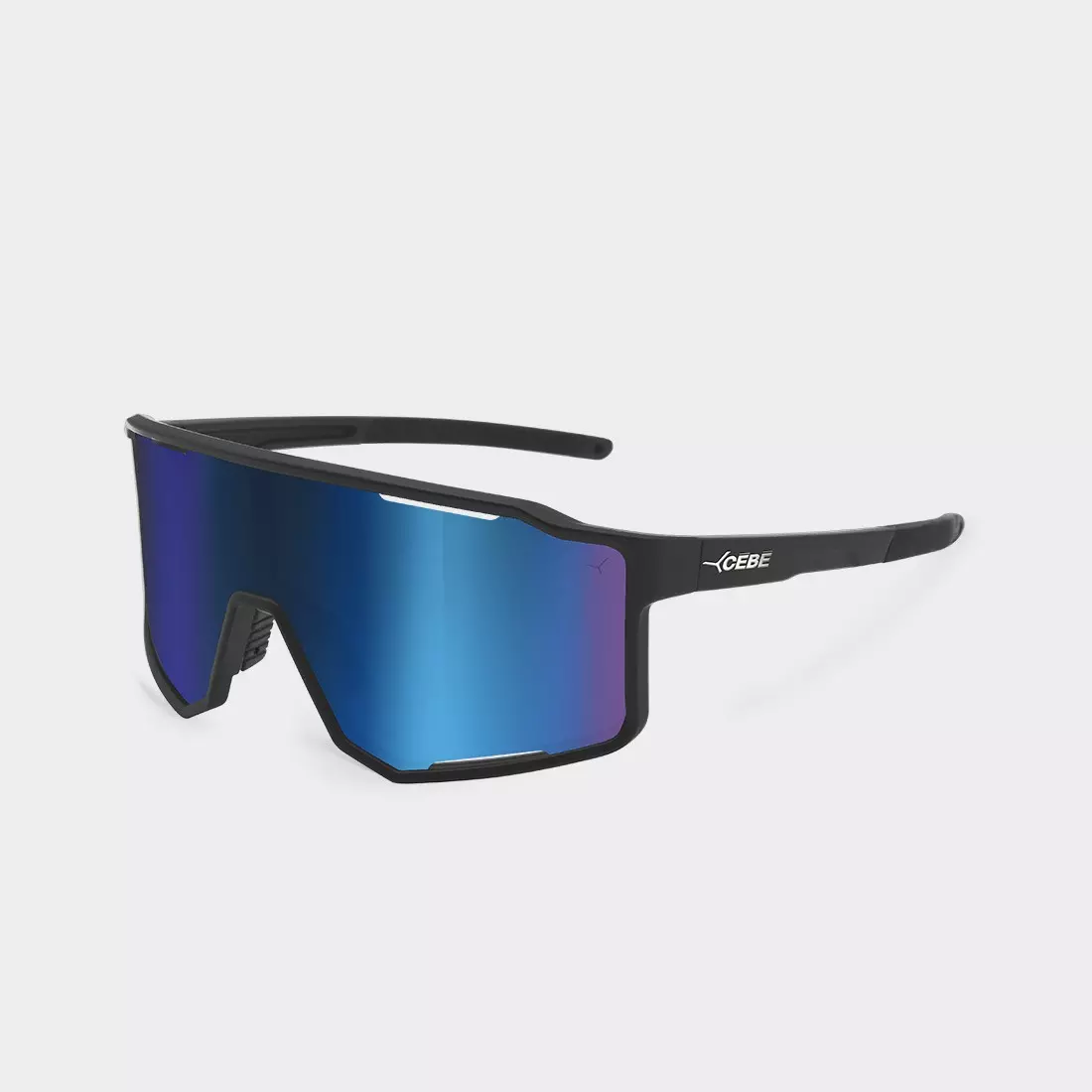
All OUTFLOW polarized sunglasses share the same core features: Cat. 3 polarized lenses, a bio-based nylon frame, helmet compatibility, and a design built to withstand hours of activity without shifting.
OUTFLOW 2 Polarized — Full-rim, standard fit
The flagship model of the line. Full-rim wraparound frame for maximum protection against wind and splashes. Designed for athletes seeking maximum coverage—cycling, trail running, water sports, skiing—without compromising on fit.
OUTFLOW 2 S Polarized — Full-rim, small face
Same design, same level of protection, designed for narrower faces or size S frames. Because ill-fitting sunglasses are useless — fit, side protection, and comfort depend first and foremost on how well they fit your face.
OUTFLOW 2 LITE Polarized — Semi-rimless, standard fit
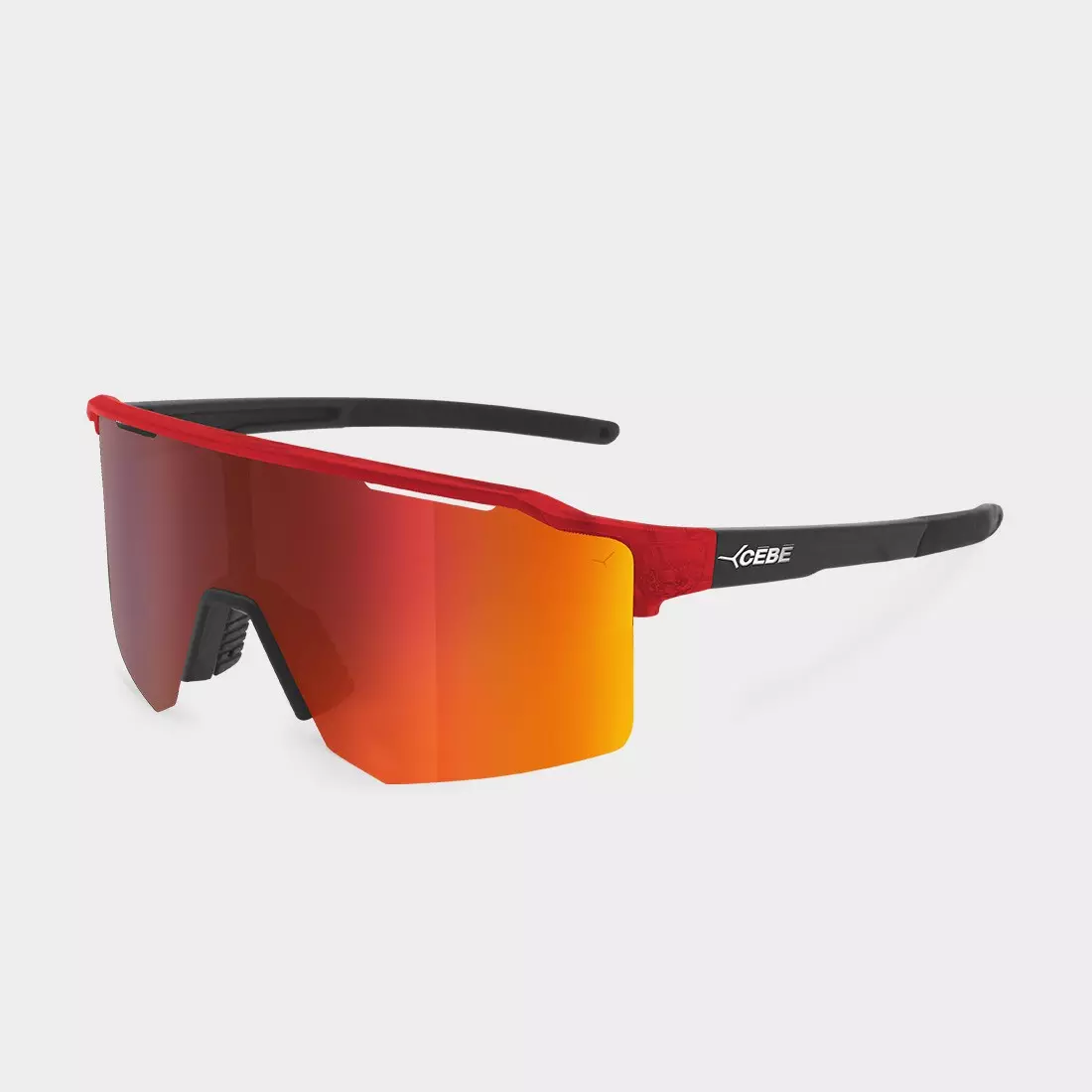
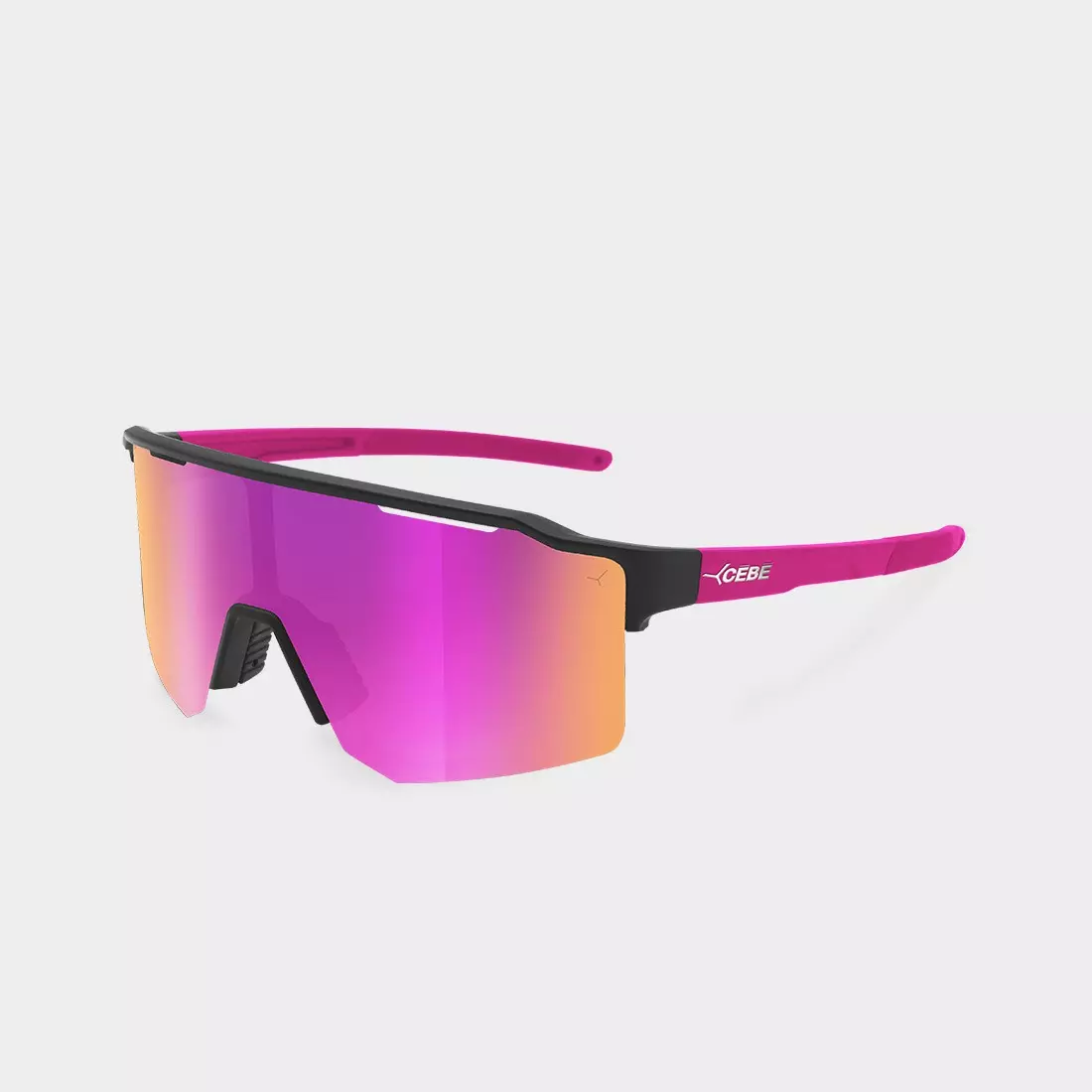
The version with an unobstructed field of view. The semi-rimless design removes the lower part of the frame to provide a more open downward field of view—ideal for sports where reading the ground is critical: trail running, mountain biking, hiking. Lighter, more open, and just as effective at reducing glare.
Which OUTFLOW is right for you?
| Profile | Recommended Model |
| Standard Face, Maximum Protection | OUTFLOW 2 Polarized |
| Small/Narrow Face, Maximum Protection | OUTFLOW 2 S Polarized |
| Standard Face, maximum field of view | OUTFLOW 2 LITE Polarized |
| Small/narrow face, maximum field of view | OUTFLOW 2 S LITE Polarized |
In summary
Tinted lenses protect you from the sun. Polarized lenses eliminate glare. It’s not just a matter of comfort—it’s a matter of visual clarity, safety in high-speed sports, and long-term performance.
Cébé’s OUTFLOW Polarized line is built around this conviction, with four styles so that every athlete—regardless of their sport, body type, or intended use—can find the perfect pair.

Français
Deutsch
Italiano
Español