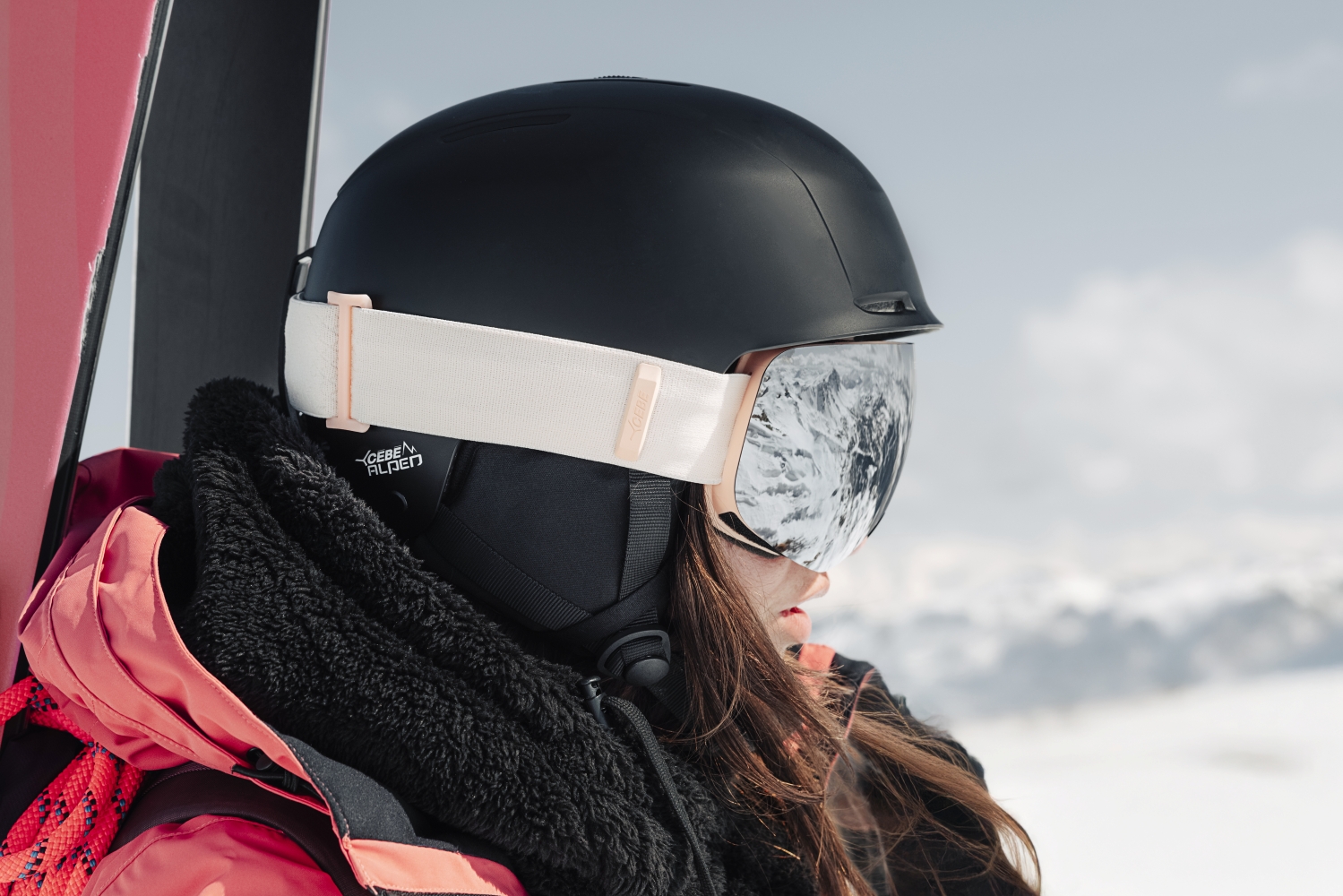
Your ski helmet is your essential companion for enjoying the slopes safely. But for it to protect you effectively season after season, regular and appropriate maintenance is essential. Discover all our tips for taking care of your equipment and maximizing its lifespan.

Why is it essential to maintain your ski helmet?

A well-maintained ski helmet is above all a guarantee of optimal protection. Beyond hygiene considerations, maintenance helps preserve your equipment's shock absorption capabilities. Sweat residue, humidity, or poor storage conditions can deteriorate the materials and reduce the helmet's protective effectiveness. Moreover, a clean and well-preserved helmet will offer you better comfort, prevent unpleasant odors, and significantly extend its lifespan.

Daily maintenance after each outing

Drying: the essential step

After each day on the slopes, always remember to dry your ski helmet thoroughly before putting it in its protective cover. Trapped moisture promotes bacteria development and causes unpleasant odors. Warning: Never place your helmet on a direct heat source (radiator, hair dryer). The materials could warp and lose their protective properties. Simply let your helmet air dry in a ventilated area at room temperature. Open the vents as much as possible to facilitate moisture evacuation.

Protection against impacts

Handle your helmet carefully during transport. Avoid impacts when returning to your accommodation by storing it in its protective cover. In the car trunk, place it somewhere where it won't be crushed by other equipment.

Deep cleaning

Cleaning the removable interior part

Most modern helmets have a removable inner lining attached with Velcro. This foam in direct contact with your skin accumulates sweat and dirt.
Practical tip: Carefully remove the inner liner and machine wash it at 30°C maximum. Use a mild detergent and avoid intensive spinning. Let it dry completely in the open air before repositioning it.

Cleaning the outer shell

For the helmet's exterior, simple cleaning is sufficient. Use a damp sponge with a little mild soap or soapy water. Absolutely avoid solvents, harsh detergents, or chemical products that could damage the materials. The ear pad foam can also be cleaned with a slightly dampened sponge and soap.

Treating a sticky helmet

Over time, some helmets can develop a sticky surface due to sunscreen residue, hair gel, or simply wear. In this case, gently clean the affected area with lukewarm water and neutral soap, then rinse thoroughly. Before storing your helmet for several months, perform a complete cleaning of all its parts. Ensure each element is perfectly dry before storage.

How to properly store your ski helmet?

  • Dry and cool: avoid damp cellars or overheated attics
  • Away from direct light: UV rays can degrade the materials
  • Protected from impacts: use its original protective cover
  • Away from chemical products: solvents, gasoline, or other corrosive substances

Tip: Place a moisture absorber sachet in the helmet cover to prevent mold development during prolonged storage.

When should you replace your ski helmet?

After a significant impact

Even if no damage is visible to the naked eye, a helmet that has suffered a violent impact must be replaced immediately. The internal EPS foam absorbs the shock energy by deforming, which permanently compromises its ability to protect you during a new impact.

Safety rule: One helmet = one impact.

After any accident involving a head impact, systematically change your helmet, even if it appears intact. It is recommended to replace your ski helmet every 5 years even without apparent impact. External elements such as UV rays, humidity, and natural wear gradually reduce the protective effectiveness of the materials.

Replace your helmet if you notice:

  • Cracks on the outer shell
  • Visible deformations
  • Cracks in the internal EPS foam
  • A faulty tightening system
  • Excessive wear of the inner lining

Prohibited products

Never use on your helmet:

  • Solvents or harsh detergents
  • Bleach
  • Alcohol-based products
  • Abrasive materials for cleaning

Discouraged modifications

Avoid making modifications to your helmet. Applying paint, excessive sticker placement, or drilling the shell can compromise structural integrity and reduce protection performance.

Bad storage practices

Never leave your helmet:

  • On a car's rear shelf in full sun
  • Near a heat source
  • In a humid place without protection
  • Piled under other heavy equipment

Additional tips to optimize longevity

Before each use, check that your helmet is properly adjusted. Tightening systems can loosen over time. An ill-fitted helmet does not protect effectively and wears out more quickly.

Respect compatibility with goggles

Ensure your ski goggles fit perfectly with your helmet to avoid air gaps. A good fit also reduces friction that can damage seals and surfaces.

Invest in a quality cover

A good padded transport cover effectively protects your helmet from impacts and scratches during travel. It's a modest investment that can significantly extend your equipment's lifespan.

Conclusion

Maintaining your ski helmet is not a chore but an essential gesture for your safety. By following these few simple rules - systematic drying, regular cleaning, appropriate storage, and timely replacement - you guarantee your equipment optimal effectiveness over time. Remember that a well-maintained helmet is the assurance of fully enjoying your days on the slopes with complete peace of mind. So take care of your helmet, it will take care of you!

Running Heroes x CÉBÉ: 20% off your running sunglasses

Connect your running app to Running Heroes and unlock 20% off at cebe.com. All the more reason to get started!

Advice
584 views

Protect your children's eyes

Children are particularly vulnerable to sun damage, which can lead to short- and long-term vision problems.

Advice
18060 views

The Story of a Pair of Sunglasses That Spans the World of Sports

From 1980s cycling pelotons to rugby locker rooms and festival nights. How did cycling goggles become one of the most versatile items in contemporary sports?

Advice
1212 views

Polarised glasses: how they work and why they change everything

Cycling, trail riding, boating or driving: polarised lenses eliminate glare where a tinted lens just won't do. We explain why - and how to choose your Cébé OUTFLOW.

Advice
4118 views
Loading...